How to Pay Off Credit Card Debt for Good
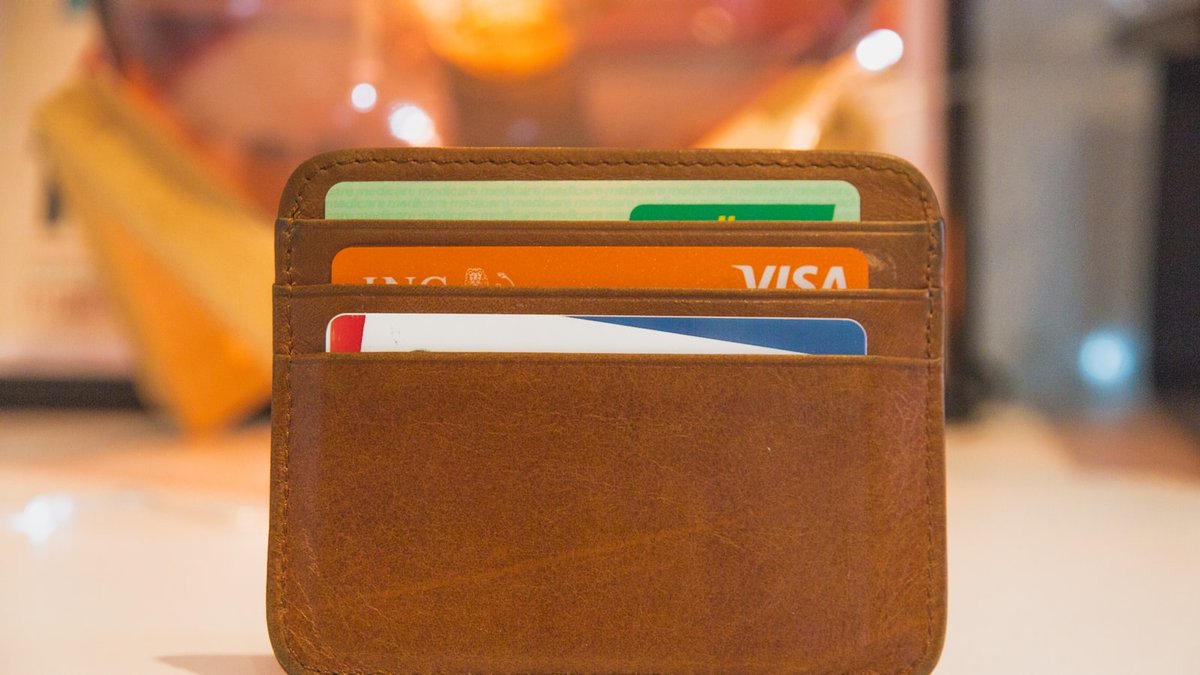
You may feel as if your credit card debt will be around forever. Your monthly bill arrives, you send in all you have, and it seems like very little of this money is going towards reducing the amount owed. This is exactly how next month goes again. If this describes where you’re at right now there’s absolutely nothing wrong with you. The problem lies in the fact that the interest rates on most credit cards are designed to help keep money coming from you; however, there’s an alternative – by simply changing the math involved in paying off your debt.
Why the minimum barely makes a dent
You’ll owe money daily with compound interest on credit cards. Credit card companies design your monthly minimum payment so you’ll be happy with them, not to pay off the debt quickly. Your typical minimum payment is about two percent of your current outstanding balance plus that months’ interest charged on the loan. If you make just the minimum payment (2% + 1 mo.) of $150 per month on a $5000 credit card at an annual percentage rate (APR) of 22%, it would take you about ten years to pay off this debt, paying your lender almost $4,100 in interest charges during those ten years. On the other hand, if you paid a fixed amount of $150 each month until that original $5,000 debt is paid off, it would only take you about four and one-half years to do so, while paying nearly $2,800 in interest fees; again, same original debt, same APR, only different because you refused to allow your payment amount to decrease as time went by.
The same $5,000 balance at 22%, two ways
Minimum-style payments
About 10 years
and roughly $4,100 in interest
A flat $150 a month
About 4½ years
and roughly $2,800 in interest
Illustration using a common minimum formula of 2% of the balance plus interest. Your card’s terms will differ.
Pick your order and run the loop
There are at least two effective ways to pay off multiple credit cards, in order from best to worst; the avalanche (paying the card with the highest interest rate first) will save you the most money, while the snowball (paying the card with the smallest balance first) gives you an immediate win and encourages you to keep moving. While many mathematicians would recommend using the avalanche method, many people have finished paying their debts by using a snowball approach. Simply use whatever method you can stick with long enough, since that’s the key to making it work.
The payoff loop
- List every card with its balance, rate, and minimum
- Pay minimums on all of them, no exceptions
- Aim every spare dollar at one target card
- When it’s gone, roll its whole payment onto the next
When you pay one debt, your subsequent payments are greater than before. It might appear that you’re only paying off a small amount in month two, however, by month twenty it should be an avalanche. This change could very well take you by surprise. You should leave the freed-up portion of your payments as they were when you started (not allow them to go back into how much money you spend each week).
Freeze the debt where it stands
You won’t be able to move forward on this until all new additions to the balance are stopped. You should continue with your daily life using your debit card or cash, and have the credit card removed from your phone’s wallet and also as an option for payment in all of your stores’ accounts. You won’t cut it up (this lowers your credit), but you won’t close the account either, rather, set a fixed dollar amount of what needs to be repaid so that you aren’t constantly adjusting targets.
A lower rate is sometimes a phone call away
If you’ve been paying on time, call the number on the back of the card and ask for a lower rate. It works more often than people expect. A balance transfer card with a 0% introductory window can also buy you time, if you go in clear-eyed: there’s usually a transfer fee of 3% to 5%, the clock runs out in 12 to 21 months, and the move only helps if you stop adding new charges. The transfer isn’t progress by itself. It just makes every payment count for more while the window lasts.
When to bring in reinforcements
Feeling underwater? A nonprofit credit counselor can review everything with you, usually free, and set up a debt management plan if it fits. Look for agencies affiliated with the NFCC, and be wary of anyone selling quick “debt settlement” with big upfront fees.
You may also want to inform the credit card company about how long you’ve had the problem with your credit history (e.g. Unemployment, divorce, an illness) and whether there are any Hardship Programs offered through their company that would either lower your interest rate or allow you to temporarily make reduced payments on your account. Most likely no one will volunteer to help you unless you ask. When you do contact them for assistance, say “Hardship” out loud; most of these customer service representatives answering phones have heard this term many times before and should be able to tell you which hardships qualify for a reduction in interest rates or a temporary payment reduction.
The part nobody says out loud
Being in debt with credit cards is often a story about life, not character. Getting out of it can take time, but by the time you make your last payment, all of those extra payments will have added up fast. So decide now to set up an automatic transfer from your checking account once your paycheck arrives each month to add an extra payment to your card balance. Just let the loop run. Once you see that first zero balance, you’ll want another one as quickly as possible.
Photo by Stephen Phillips – Hostreviews.co.uk on Unsplash