What Is an Index Fund (and Why I Love Them)
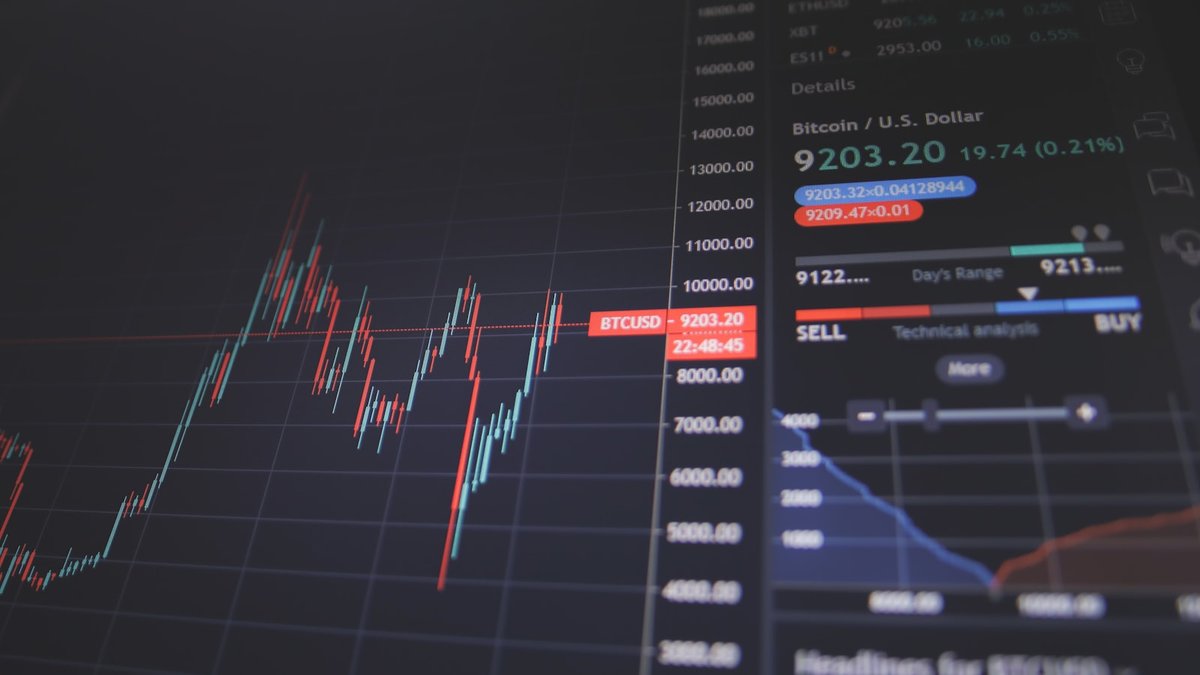
An individual at a BBQ states that he invested his savings into an “index fund”, and everyone nods in agreement. If you have nodded to be polite, but were unsure of what was meant by this phrase, then this article is written with you in mind; as the concept is simple, yet the term has complicated the simplicity. It’s much easier to nod your head than ask questions when someone uses complex terminology, and many people explain this idea as if it’ll require more time than needed to understand.
An index is just a list
An index is a published list of stocks that are used to measure only one part of the stock market; the s & p 500, which you see on television, is a list of about 500 large companies in the U.S. Since nobody has personal preferences for which companies are included or excluded from an index, if a company is large enough to be included, it’ll be added to the index.
An Index Fund is an investment vehicle which tracks an entire stock market, in equal or proportionate portions; it doesn’t have a star portfolio manager, nor make hunches based on the news. The only thing this type of fund has to do is match up with its underlying stock market index and that’s proven to be one of the best bargains available for investors.
One purchase, hundreds of companies
What you actually own
One share of an S&P 500 index fund holds a tiny slice of about 500 companies at once. If a few stumble, the other hundreds are still in there working.
Diversification, owning many different companies at once, is the built in way to lower your risk and create the opportunity for higher returns over time. When investing in individual stocks, there’s always some chance that one particular company could experience a very poor performance period (think “terrible decade”). Investing in a single stock means taking on all of this potential downside risk by yourself. On the other hand, when you’re invested in 100+ companies through an index fund or ETF, if only one of those companies has a terrible decade, the entire portfolio won’t be adversely affected because you’re not invested heavily enough in that one company to cause significant damage; and you don’t need to worry about guessing which company will have that “good” decade, because every investment has an equal share of being the best performer.
The second advantage is what they don’t charge
Funds charge a yearly fee called an expense ratio, taken quietly out of your balance. Because an index fund doesn’t pay researchers to guess which stocks will win, its fee can be almost nothing. Big index funds charge in the neighborhood of 0.03% a year, while actively managed funds often charge closer to 1%. That gap sounds too small to matter. Over decades, it’s enormous.
The fee drag
$100,000 left invested for 30 years at a 7% return
Same market, same years. The only difference is the yearly fee quietly skimmed off the top.
Standard & Poor’s has been keeping track of how well all those actively managed mutual funds are doing in comparison to the indexes they’re trying to outdo on SPIVA (S&P Index vs Active) for years now and while there are always some winners, when looking at large blocks of time most funds will trail the indexes they’re competing against. This is an unusual offer, and as soon as you see it clearly it’s easy to understand why.
How you actually buy one
In your 401(k)
Look for names with “index” or “500” in them, or a target-date fund that holds index funds inside.
In an IRA
Every major brokerage offers broad index funds with low or no minimums.
In a taxable account
Same funds, no contribution limits. Fine for goals before retirement.
Regardless of which door you choose to open, the regularity is more important than your timing. Invest a little bit each month with no regard for whether it’s raining or shining and you’ll be buying more shares when they’re cheap and less when they’re expensive, so avoiding the futile task of attempting to guess at the best time. Make your automatic transfers on paydays, as soon as possible and then just let them run uneventfully.
What an index fund won’t do
An investor can’t count on an index fund to be his or her “insurance policy” during a recession, the fund will lose money just like the overall market. An index fund also won’t make someone rich quickly; however, over time (long-term) investing in an index fund provides long-term returns that are virtually free, and this has helped many investors through their investment careers. The discipline required to invest regularly and avoid selling in down markets is what costs most people entry into the world of successful long-term investing.
The whole idea in one sentence
Own a piece of everything; Pay very little for the privilege; Stay in place. That’s an Index Fund. Ten minutes to learn, A Lifetime of Quiet Compounding to enjoy. If you take away only one sentence from this page, take away that one because it’ll serve you better than most of what gets sold as clever.
ETF or mutual fund: does it matter?
When it comes to purchasing an index fund, you’re presented with a choice of two: the mutual fund and the exchange-traded fund (ETF). They’re built on the same premise and can be made up of the very same companies. What sets them apart is largely in the details. You have the mutual fund, which is transacted at the close of business for a single price each day. Then there’s the ETF, which moves like a stock during market hours and tends to be a bit easier on the taxes in a standard account.
When it comes to a 401(k) or an IRA, the difference is of little consequence for the average saver; one might as well put money into any low-cost index the plan has on hand. A wide-ranging index ETF will do in a taxable account. There’s no point in being put off by what amounts to two sides of the same coin. The hard part is over: you have decided to put your money to work in a broad and unexpensive way.
Three funds can be a whole portfolio
There’s no call for a dozen or so funds to put together a properly diversified portfolio. A good number of happy investors make do with three: an index fund for the U.S. Market, one for international equities, and a bond fund. The pair of stock funds will put your capital in front of thousands of firms on both sides of the pond, while the bonds are there to even things out in a down market. It’s as simple as that. Some might find a three-fund setup unexciting, but that’s by design. In the long run, it’s the unglamorous approach that has a way of coming out on top.
The way one divides up the assets is a matter of when the money will be called for. If retirement is still a long way down the road, it makes sense to put more into stocks. Nearer to that date, and the focus will usually move to bonds as a way of safeguarding what has been put together. For those in a workplace plan, a target-date fund is hard to beat for its ease; it handles all that repositioning on its own.
Dollar-cost averaging, without the jargon
You can put a sophisticated label on what’s really a no-frills approach: dollar-cost averaging. In practice, it’s as simple as putting a predetermined sum to work on a regular basis, like with each paycheck, without regard for market conditions. If the market has taken a dip, that money will stretch to more shares; if it has run up, you’ll get less. The net effect is an evened-out cost over the long haul, and it relieves one of the unenviable task of trying to time the market.
For those with a workplace retirement plan, the work is being put in with each and every paycheck, even if one hasn’t given it much thought. That’s what it’s all about. A look at the top performers will show they aren’t the ones who made a habit of nailing the market’s timing. More often than not, they’re the ones who have the fortitude to keep on buying when things get rough and let time take care of the rest.
Investing words, unpacked
The plain-English index-fund glossary
- Index
- An index, such as the S and P 500, that puts a number on a portion of the market by following some 500 of the U.S.’s biggest names.
- Index fund
- A no-nonsense fund that follows an index to the letter. There’s no one in charge of stock selection, and the cost reflects that.
- ETF
- The exchange-traded fund: it has the same kind of holdings as a mutual fund, only you can trade it any time during market hours.
- Expense ratio
- What a fund costs for the year. You’ll see active funds with a 1 percent or so tab, but a broad index fund will be hard-pressed to ask for much at all.
- Diversification
- Spreading your money around so a rough patch for one firm doesn’t put you in a hole.
- Dollar-cost averaging
- Putting in a fixed sum on a set timetable. It’s a way of buying up more when the price is right and less when it isn’t.
Sources
Photo by Nick Chong on Unsplash